
What is in a sanitary pad, and why it matters for disposal
Key takeaways
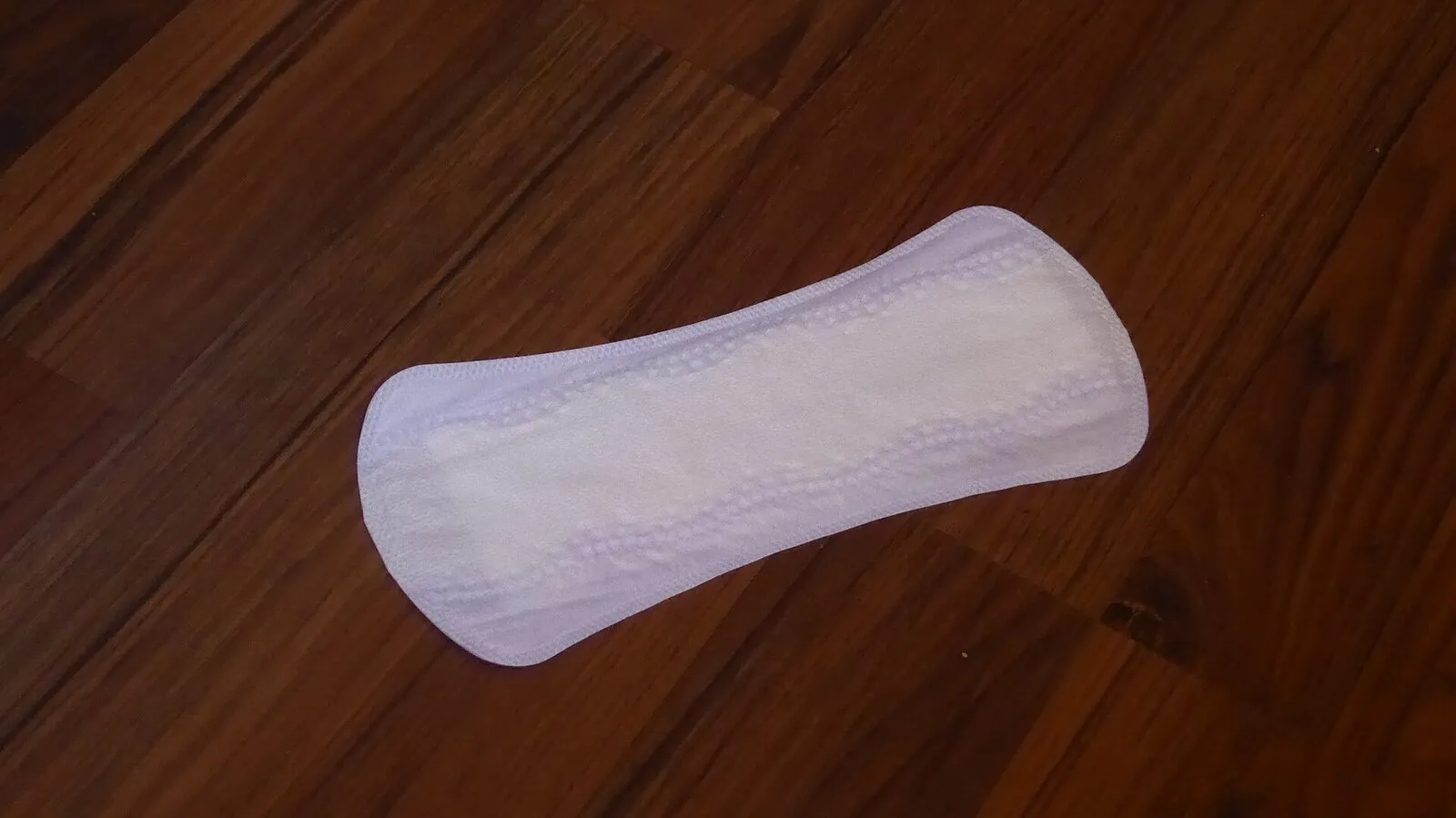
- A disposable pad is a soft top sheet, an absorbent core and a plastic back sheet, held with adhesive.
- Advocacy groups say 70 to 90 percent of a pad is plastic. We found no peer-reviewed weight per pad.
- Estimates of 500 to 800 years to break down are widely repeated and loosely sourced.
- The material is why pads should not be flushed, and why burning them needs clean exhaust.
On this page
A pad looks like cotton. It is not. Knowing what it is made of explains why pads cause trouble in drains and landfills, and why a disposal method has to be chosen with care.
The layers
A typical disposable pad has these parts.
- A top sheet. Soft nonwoven material that touches the skin and lets liquid through.
- An absorbent core. Fluff pulp, often with a superabsorbent polymer that turns liquid into gel.
- A back sheet. A thin plastic film that stops leaks.
- Adhesive and a release paper, so the pad sticks to underwear.
- Wings and wrappers, which add more plastic and paper.
How much of it is plastic?
Advocacy and media reports often say that 70 to 90 percent of a pad is plastic, and some equate one pad with four plastic bags. These are rough comparisons. We did not find a measured weight of plastic per pad in a peer-reviewed study, so treat the percentages as estimates.
How long do they last?
The most repeated claim is that a pad takes 500 to 800 years to break down, and that it leaves microplastics as it does. The figure is repeated widely, but the original measurement is hard to find. What is certain is that the plastic film and polymer do not rot as fibre does, so a buried pad stays for a very long time.
What this means in practice
- Do not flush. The core swells and the polymer forms gel. Pads block pipes and septic tanks.
- Wrap and bin. A lidded bin with safe collection keeps pads out of drains and fields. See disposal options in Nepali schools.
- Burn with care. Burning plastic-bearing waste needs a hot chamber and filtered exhaust. How a pad incinerator works explains what to look for.
- Think about less waste. Menstrual cups and washable pads cut waste but need water and a private place to wash. They suit some people and not others.
A caution about “eco” pads
Pads sold as biodegradable or compostable may not break down in a school pit or a municipal landfill. Industry critics say many such claims are greenwashing. If a school buys them, ask what standard they meet and how they should be disposed of.
Questions people ask
Are sanitary pads biodegradable?
Most disposable pads are not. They contain plastic film and a superabsorbent polymer. Some pads are sold as compostable, but critics say many such claims are greenwashing, so check what the product is certified for.
Can pads be burned safely?
Burning plastic-bearing waste needs high temperatures and cleaned exhaust. A small unit without filters can release harmful gases. See our guide to how pad incinerators work.
What are the alternatives to disposable pads?
Menstrual cups and washable cloth pads produce much less waste. They need clean water, a place to wash and dry, and some education, so they suit some settings better than others.
Image credits
- “Disposable sanitary towel 01” by Chenspec, CC BY-SA 4.0. Resized and cropped.
