
Sanitary pad disposal in Nepali schools: bins, pits and incinerators
Key takeaways
- Girls need a private, lidded place to dispose of a pad, or they will hide it or not change at school.
- A Nepali study of schools with and without incinerators found pad supply mattered more than the incinerator.
- Reports from Kathmandu Valley found bins broken and incinerators unused. Upkeep decides everything.
- Pick the option the school can maintain, then add privacy, water and soap.
A pad has to go somewhere. In a school, if there is no clear, private place to put it, girls leave early, hide pads in corners, or flush them. Disposal is not a side issue in menstrual hygiene. The WHO and UNICEF definition of menstrual hygiene management includes facilities to dispose of used materials.
What Nepali studies and reports found
- A 2012 study published through NHRC compared schools with and without pad incinerators in Bharatpur, Guleria, Tikapur and Butwal. In schools without one, 60 to 93 percent of girls said they leave school when they menstruate, depending on the municipality. Incinerators helped students change pads at school. But the study found that availability of pads, more than the incinerator itself, drove attendance.
- A report on community schools in Kathmandu Valley found dustbins present in every school, but often broken or kicked out of the stalls. Teachers said girls often did not use the incinerators and hid used pads against windows or in corners.
The lesson is not that incinerators or bins fail. It is that any system fails without upkeep, privacy and supply.
The three options
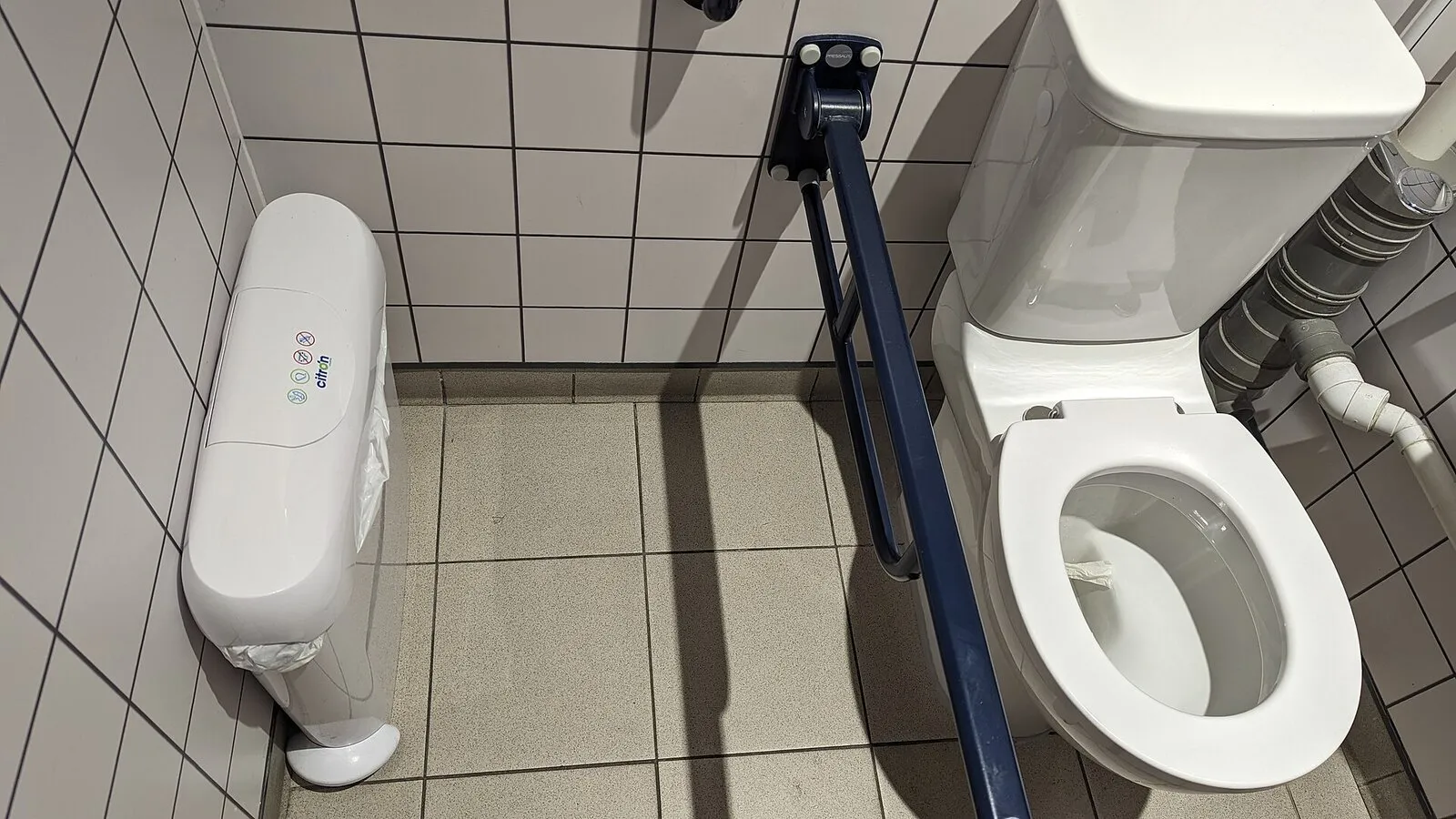
1. A lidded bin in every cubicle. National standards, such as Uganda’s, call for lidded bins inside girls’ latrines. Pros: cheap, no power. Cons: needs daily emptying, safe wrapping and a route for the waste. A bin without a lid or without someone to empty it is worse than no bin.
2. A burial pit. Some school standards allow burial in a pit, away from water sources. Pros: cheap, no power. Cons: needs land, keeping the pit covered, and care with groundwater.
3. An on-site incinerator. Waste is reduced to ash in the toilet block. Pros: no waste to carry out and no smell of a full bin. Cons: needs power, upkeep and clean exhaust. See how a pad incinerator works.
What every option needs
- A lockable cubicle with a door that closes and no big gaps.
- Water and soap in a private space, so girls can wash.
- A named person responsible for emptying, cleaning and recording.
- Supply of pads nearby, because a bin without pads fixes only half of the problem.
Choosing
Pick the option the school can actually run. A school with reliable daily cleaning and a waste collection route can start with lidded bins. A school without regular collection and with a steady power supply may prefer an incinerator, with a plan for servicing it. If you want to add a vending machine, plan the two together, so the pad is bought and thrown away in the same private spot.
Questions people ask
What is the simplest way for a school to dispose of pads?
A lidded bin in each girls’ cubicle, emptied every day by a named person, with the contents wrapped and sent to the school’s normal waste route. It needs no power but needs daily attention.
Can pads be flushed?
No. Pads block pipes and septic tanks. Provide a bin and tell students not to flush.
Do we need an incinerator?
Not always. An incinerator helps where waste collection is poor, but it needs power, upkeep and clean exhaust. A well-run bin system can work as well.
Image credits
- “NEWAH WASH water project in Puware Shikhar, Udayapur District, Nepal. (10710044665)” by Jim Holmes/AusAID, CC BY 2.0. Resized and cropped.
- “Citron Hygiene sanitary bin in a disabled toilet” by Lajmmoore, CC BY-SA 4.0. Resized.

